
Public Speaking and Drama Classes for Kids in Singapore
2026-05-22 | 8 min read
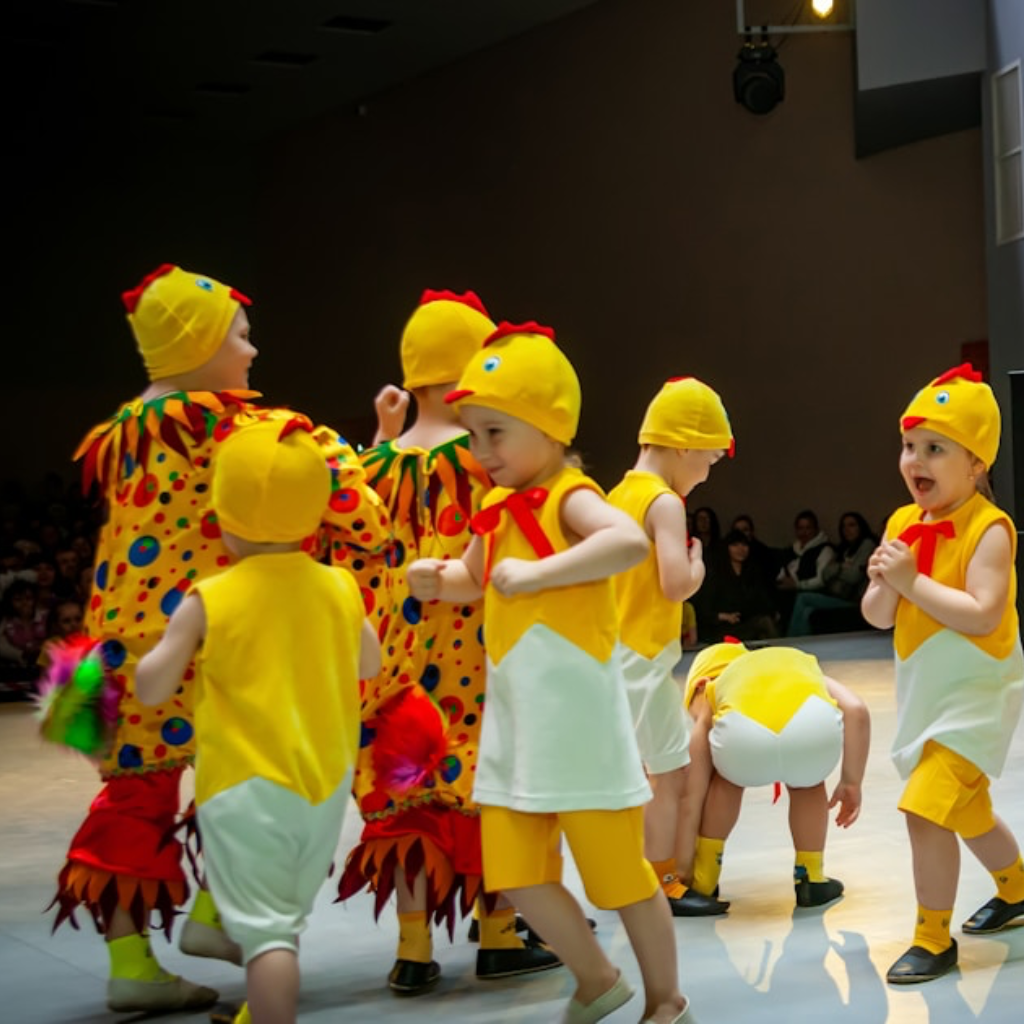
Singapore parents often treat public speaking and drama as separate enrichment decisions. They are not. The skills reinforce each other, and the best time to start is earlier than most parents expect. This 2026 guide covers both disciplines, what age to begin, providers worth knowing across both tracks, and how the DSA pathway fits in. Browse public speaking and drama classes on Jungle.
Most Singapore children can sit an exam. Far fewer can hold a room. That gap opens early, and most parents notice it for the first time at a school presentation, a family gathering, or the moment their child is asked to introduce themselves to a group and goes completely silent. The best public speaking and drama classes for kids in Singapore work on exactly this: not performance polish, but the underlying confidence that makes everything else easier.
The two disciplines are more closely related than most parents expect. Drama builds the physical and emotional range that makes a speaker compelling. Public speaking teaches the structure and intentionality that gives a performer's voice real authority. Children who train in both develop faster in either. For families exploring performing arts holiday programmes specifically, our June 2026 holiday camp guide covers the best drama and performing arts camp options this season.
Public Speaking and Drama: Two Skills, One Confidence
What Drama Classes Actually Build
Drama enrichment is routinely underestimated by parents who associate it with school concerts and poorly memorised scripts. A well-run drama class looks nothing like this. Children work on physical expression, vocal projection, spatial awareness, character work, and the ability to stay present under pressure. These are transferable skills. The child who can hold character through a scene with three other children competing for attention is the same child who will stay composed during a Primary 6 oral examination.
Drama also builds emotional vocabulary. Children learn to access and express a range of emotional states in a controlled, low-stakes environment. The result is stronger empathy and social intelligence alongside the performance skills.
What Public Speaking Classes Build Differently
Public speaking classes are more structured and outcome-focused. The emphasis is on message clarity, argument construction, pacing, eye contact, and managing the physical symptoms of nervousness. Where drama teaches children to inhabit a character, public speaking teaches them to own their own voice.
The most effective programmes in Singapore include debating formats and presentation frameworks that map directly onto academic requirements at upper primary and secondary level.
Why the Two Work Best Together
A child who only does drama can be expressive but unfocused. A child who only does public speaking can be structured but wooden. The combination produces children who are both compelling and clear. Most enrichment providers in Singapore recognise this, which is why the category is widely labelled "speech and drama" rather than either discipline in isolation.
What Age to Start
Ages 3 to 5 (Creative Play and Movement)
At this age, the goal is exposure, not technique. Drama at 3 to 5 means movement games, imaginative play, simple storytelling, and the experience of being in a group that responds to a leader. Children are absorbing physical and social habits that become the raw material for later performance work. Look for providers with small groups of six to eight children and qualified early childhood educators. ECDA's standards for early childhood programmes set the regulatory baseline that all licensed providers must meet, including staff-to-child ratios and appropriate programme design.
Ages 6 to 9 (Technique and First Performances)
This is the most productive window for introducing both disciplines in earnest. Children at this age can follow structured instruction, retain feedback between sessions, and begin to understand the difference between attempting something and doing it well. End-of-term performances and presentations give them a concrete goal. The combination of preparation and delivery experience builds the confidence loop that carries into everything else.
Ages 10 to 15 (Competitive Tracks, DSA Preparation, and Specialist Pathways)
The stakes shift at this age. Children with genuine interest and aptitude can pursue competitive debating, external performance examinations (Trinity College London's LAMDA graded examinations are the most common pathway in Singapore), audition preparation, and DSA portfolios. MOE's DSA-Secondary framework allows children to apply to secondary schools through demonstrated talent rather than academic scores alone. A strong performing arts portfolio built through consistent drama or public speaking training is one of the more defensible DSA tracks available.
For children targeting arts secondary schools, beginning structured training by age 10 gives enough time to build a credible portfolio before the DSA application window opens.
Providers Worth Knowing
Drama-Focused
Julia Gabriel Centre has been running speech and drama programmes in Singapore for over 30 years. Their EduDrama methodology uses drama techniques as the primary vehicle for building communication, empathy, and confidence. Programmes start from six months through to secondary level, with a consistent progression framework across all age groups. Best for families who want a methodologically grounded, long-term programme with one of the strongest track records in Singapore's enrichment landscape.
ACT 3 Drama Academy accepts children from 18 months through to age 15, with sessions at Cairnhill Arts Centre and Oasis Terraces at Punggol. Trial classes are available from $35. The programme is rooted in joyful exploration and storytelling at the younger ages, shifting to structured theatre training from primary school level. Best for younger children starting out and families in the north or northeast of Singapore.
Wild Rice Academy runs its weekly programmes for ages 5 to 12 through Kids@WR, with a Young and Wild strand for ages 13 to 17. Teaching artists are drawn from one of Singapore's most respected professional theatre companies. Children get genuine exposure to how professional theatre is made, including costumes, sound, and lighting design, not just performance technique. Best for children who are serious about theatre and want to learn from working professionals.
Centre Stage School of the Arts has been running since 1999. Programmes start from Parent and Baby Creative Play at six months and progress through to advanced acting and musical theatre training for teens. Centre Stage has strong DSA preparation infrastructure and takes performing arts examinations seriously. Best for families committed to the long track, from early years through examination and audition preparation.
Sing'theatre Academy is Singapore's only dedicated musical theatre academy, combining singing, dancing, and acting in an integrated programme for ages 3 to 18. For children who want all three disciplines under one roof rather than managing multiple providers, this is the most complete option available. Best for children drawn to musical theatre and families who want a single provider to cover the full performing arts spectrum.
Helen O'Grady Drama Academy operates through an established international franchise model with a strong Singapore presence. Classes run from age 3 through to 18, with a deliberate emphasis on building communication confidence rather than competitive performance. The programme is non-competitive by design. Best for children who find performance anxiety difficult and need a lower-pressure setting to build confidence at their own pace.
Browse all drama classes on Jungle.
Public Speaking-Focused
Speech Academy Asia is consistently cited as one of Singapore's most established public speaking training programmes for children and teenagers, with a curriculum trusted by over 100 MOE schools. Their methodology covers speech crafting, body language, voice modulation, and emotional delivery through frameworks designed specifically for Singapore children, with classes available island-wide. Best for families who want a comprehensive, structured public speaking curriculum with clear progression milestones.
Public Speaking Academy has been running group classes for students aged 7 to 18 since 2009, founded by Darren Tay, whose legal and debating background shapes the programme's emphasis on argument construction and persuasive delivery. Holiday boot camps are available for faster skill development. Best for upper primary and secondary students who want structured debate and presentation training alongside peer practice.
School of Confidence focuses on communication and interpersonal confidence rather than formal presentation technique. The programme suits children who are not targeting competitive debating but want to become more effective, natural speakers in everyday situations. Best for children who need confidence-building in social contexts before moving toward more structured performance training.
Browse all public speaking classes on Jungle.
What to Look for When Choosing
Teacher qualifications matter more than school branding. For drama, ask whether instructors have professional performance experience or hold drama education qualifications. For public speaking, ask whether the methodology maps to an external framework and whether progress is measurable.
Class size determines how much practice each child actually gets. For drama, groups of six to ten allow meaningful stage time and individual feedback. For public speaking, groups larger than twelve limit each child's actual speaking time to a level that produces slow progress.
Trial classes are non-negotiable. Any provider confident in their programme offers one. Be cautious of full-term fees required upfront with no trial option.
Ask about performance and presentation opportunities. A drama class without a performance component is missing its primary motivational engine. A public speaking class without live delivery assessments is similarly incomplete.
DSA and Performance Pathways
For children aged 10 to 13, the DSA-Secondary application is a real consideration in choosing a provider. MOE's DSA-Secondary framework allows secondary school applications based on performing arts talent, and providers who explicitly prepare students for DSA should be able to show you how their programme builds the portfolio evidence MOE expects.
The National Arts Council's arts education initiatives support performing arts development in Singapore and set the broader policy context for how enrichment connects to formal education pathways.
A realistic DSA timeline for performing arts: begin structured training at 9 to 10, build toward external examinations or documented performance experience by 11 to 12, and enter the Primary 6 application window with a portfolio that demonstrates sustained commitment and measurable progress rather than just attendance.
What It Costs in 2026
| Format | Monthly Cost (SGD) |
|---|---|
| Drama, group weekly (45 to 60 min) | $120 to $200 |
| Musical theatre, group weekly | $140 to $220 |
| Public speaking, group weekly | $130 to $220 |
| Drama, private weekly (45 min) | $80 to $150 per session |
| LAMDA or Trinity graded examination fee | $150 to $300 per exam |
| Holiday drama or public speaking intensive (5-day) | $300 to $550 |
Most providers charge by the term across 8 to 12 lessons. Trial class fees typically range from $30 to $60 and are sometimes credited against the first term. External examination fees for LAMDA and Trinity College London grades are charged separately from term fees and vary by grade level.
Blogs

Aug 18, 2026
Chalet And BBQ Pit Birthday Parties In Singapore (2026)

Aug 18, 2026
Kids' Party Entertainers In Singapore Who Come To You (2026)

Aug 18, 2026
How To Throw A Kids' Party At Home In Singapore (2026)
Aug 17, 2026
18 Full-Week September Holiday Camps In Singapore (2026)
Aug 17, 2026
10 September Holiday Camps In Singapore You Can Book By The Day (2026)
Aug 14, 2026
20 Kids' Class Promotions In Singapore (2026)

Aug 14, 2026
What Kids' Trial Classes Cost In Singapore (2026)
Aug 14, 2026
10 Free Trial Classes For Kids In Singapore (2026)

Aug 12, 2026
Kids' Birthday Party Venues in Singapore, Sorted by Age Band and Budget
Aug 10, 2026
Things To Do With Kids In Bedok: 18 Parks, Playgrounds And Pools Worth The Trip
Jul 31, 2026
18 Best Things To Do With Kids In Yishun: Playgrounds, Parks, Indoor Play And Family Fun In Singapore's North
Jul 30, 2026
Things to Do With Kids in Punggol, Singapore (2026): The Complete Guide

Jul 28, 2026
Beyond Sassy Mama: Things to Do With Kids in Jurong West, Singapore (2026)
Jul 16, 2026
Things to Do With Kids in Tampines, Singapore (2026)

Jul 15, 2026
Best Chess and Mind Sport Classes for Kids in Singapore (2026)

Jul 13, 2026
New Things to Do With Kids in Singapore in 2026 That Most Parents Have Not Tried Yet
Jul 8, 2026
Best Gymnastics Classes for Kids in Singapore (2026)

Jul 7, 2026
The Best Birthday Party Venues for Kids in Singapore (2026)

Jun 29, 2026
What to Do With Kids in Singapore in July 2026

Jun 25, 2026
Best Baby Sensory Classes in Singapore (2026)
.png)
Jun 22, 2026
Free Things to Do With Kids in Singapore During the June Holidays (2026)

Jun 17, 2026
Holiday Camps in Singapore Under $500: A Complete Guide (2026)

Jun 15, 2026
Week 3 of the June School Holidays in Singapore: A Reset Plan

Jun 8, 2026
What Kids Actually Learn at Holiday Camps (That Parents Do Not Expect)

Jun 2, 2026
Free and Low-Cost Things to Do These June Holidays in Singapore (2026)
Jun 2, 2026
June School Holidays 2026: Week 1 Planner & What's Closing Soon

Jun 2, 2026
June Holidays Singapore 2026: The Week-by-Week Planner

May 26, 2026
Last-Minute June Holiday Camps Singapore 2026

May 22, 2026
Public Speaking and Drama Classes for Kids in Singapore: 2026 Guide

May 21, 2026
What to Pack for Your Child’s First Holiday Camp in Singapore

May 14, 2026
A Guide to Outdoor and Nature Camps for Kids in Singapore

May 14, 2026
A Parent's Guide to Dance Enrichment in Singapore

May 7, 2026
A Parent's Guide to Mother's Day Activities in Singapore

May 5, 2026
A Guide to Children's Language Enrichment in Singapore

May 4, 2026
June School Holidays 2026 Singapore: Holiday Camp Guide

Apr 28, 2026
Cooking and Baking Classes for Kids in Singapore

Apr 27, 2026
A Parent's Guide to Sports Enrichment in Singapore (2026)

Apr 22, 2026
How to Choose the Right Enrichment Class for Your Child

Apr 16, 2026
From Toddler Sensory Play to Fine Art Mastery

Apr 15, 2026
Singapore Music Lessons: A Parent's Guide
Apr 9, 2026
Singapore Kids Swimming Lessons: A 2026 Parent Guide
Apr 8, 2026
The Best Kids Holiday Camps in Singapore (2026 Guide)

Mar 26, 2026
2026 Singapore School Holidays: Complete Calendar for MOE & International Schools

Nov 14, 2025
Best Martial Arts Classes for Kids in Singapore: Taekwondo, Jiu-Jitsu & More

Nov 7, 2025
STEM, Coding & Robotics: The Best Tech & Science Programs for Kids in Singapore

Oct 31, 2025
Top Gyms and Movement Classes in Singapore for Babies, Toddlers, and Young Kids

Oct 24, 2025
Act, Sing, Dance at Top Performing Arts Programs for Children in Singapore

Oct 17, 2025
Where Kids Can Move & Groove: Best Dance Classes for Kids in Singapore

Oct 10, 2025
Learn Beyond the Classroom: Hard Skills, Soft Skills, Fun Skills and More For Kids

Oct 3, 2025
Indoor & Outdoor Fun For Kids in Singapore

Sep 26, 2025
Fun & Free Kid Friendly Activities in Singapore

Sep 22, 2025
Nature Activities & Experiences for Kids in Singapore

Sep 19, 2025
Best Indoor Playgrounds & Classes for Kids in Singapore

Sep 12, 2025
Best Arts & Crafts Classes for Kids in Singapore

Sep 10, 2025
Halloween Swimming Camp Singapore: Spooktacular SWISH Camp at Dempsey Hill (Ages 4-14)

Sep 9, 2025
Singapore School Holiday Camps: Water Trekkers & Mighty Troopers Adventures at NTUC Outdoor School

Sep 3, 2025
Active Learning Holiday Camp: Boxing + Multi-Activity STEAM Fun in Singapore

Aug 25, 2025
Upcoming School Holiday Camps in Singapore for Kids (Sept & Oct)
Aug 13, 2025
5 Hidden Gems in Singapore for Kids’ Activities
Aug 11, 2025
Top Indoor Activities in Singapore for Rainy Days

Aug 4, 2025
SG60 Promotions: Family-Friendly Activities at Special Prices

Jul 17, 2025
Dive In: The Best 3 Swim Camps in Singapore This Season

Jul 13, 2025
Budget-Friendly Summer Camps in Singapore: Fun Without Breaking the Bank

Jul 7, 2025
Creative Arts Summer Camps in Singapore for Budding Artists and Performers
Jul 3, 2025
Sports and Adventure Summer Camps in Singapore to Keep Your Kids Active

Jul 1, 2025
A Look Back at Jungle’s Launch Promos

Jun 30, 2025
STEM Summer Camps in Singapore for Tech-Savvy Kids
Jun 26, 2025
Summer Camps in Singapore by Location: Finding a Camp Near You
Jun 19, 2025
Last-Minute Summer Camp Options in Singapore for Busy Parents

Jun 12, 2025
How to Choose the Best Summer Camp in Singapore for Your Child
The Friday edit.
Weekend picks, holiday camps with remaining spots, and the odd story from parents we talk to.