
Finding the right summer camp in Singapore can feel like a lot. There are hundreds of options—sports, coding, cooking, art, and everything in between. But once you know what to look for, the choice gets easier. Here’s a simple guide to help you find a camp your child will love (and that works for you too):
Consider Your Child’s Interests and Passions
Start with what your kid loves. Do they spend hours building LEGO towers or kicking a football around the park? Camps in Singapore cover everything from gymnastics and drama to robotics and cooking, so pick one that taps into what really excites them. A curious bookworm might enjoy creative writing or drama. A tech-minded child will be right at home at a coding or robotics camp. When a camp aligns with their interests, they’re more likely to stay engaged, have fun, and feel confident. Make sure they’re part of the decision too—asking what they’d like to try gets them involved and makes the experience more exciting.

Photo credit: Wolf Camp Singapore
Practical Considerations: Schedule and Location
Next, think logistics. Most camps run from mid-June through early August, so check the dates against your own plans. Do you need a full-day or half-day option? Full-day camps often run from 9am to 3pm or later, while half-day camps are usually morning or afternoon only. If you’re working full-time, or need longer coverage, look for camps that offer extended hours. For younger kids who fade after lunch, a half-day might be a better fit.
Location matters too—especially with Singapore traffic. The good news is, there are camps across the island. Some run in nature parks like Fort Canning or East Coast, others in malls or international schools. Look for something close to home or work to make mornings less hectic. (Hint: Jungle’s filters let you search by neighborhood—super helpful when narrowing it down.)

Photo credit: Wolf Camp Singapore
Budget and Value for Money
Camps can vary a lot in price. In Singapore, most fall somewhere between $350 and $800 per week. Decide what you’re comfortable spending, then check what’s included—some camps cover meals, field trips, or provide a t-shirt. Others may not. A higher fee doesn’t always mean better quality, but a price that seems too low might signal big group sizes or fewer resources.
Look out for early-bird deals and sibling discounts. Many camps give 5–10% off if you book early or register more than one child. If you’re planning multiple weeks, the savings can add up fast. The goal isn’t to find the cheapest option—it’s to find one that offers good value: a fun, safe, engaging experience that fits your child and your wallet.

Photo credit: Bounce
Safety and Camp Reputation
Safety is everything. Before you book, check the camp’s track record. Are the instructors trained? Do they mention things like first-aid certification or small group sizes? Camps like Camp Asia, for example, highlight their team’s first-aid training and risk management plans. That’s a good sign. Established providers, or newer camps linked to trusted schools or brands, tend to be a safer bet.
Don’t be shy about asking questions. How are outdoor activities supervised? What’s the plan if a child gets sick? Reliable camps will be happy to walk you through it. You can also check in with other parents—Facebook groups and school chats are full of real feedback. A quick “my daughter had the best time” can be more reassuring than any brochure.
Align with Your Child’s Age and Personality
Camps usually list age ranges like “6–12” or “13–16.” Make sure your child fits not just by age, but also by ability. A young 6-year-old might struggle in a camp designed for tweens. An older kid could feel bored if they’re lumped in with toddlers. Some camps break kids into age-based groups, which helps tailor the activities—say, beginner coding for 6–8 and more advanced stuff for 9–12.
Also think about personality. A quieter child might do better in a smaller, more nurturing camp. A social butterfly may love the buzz of a big, energetic group. Photos and videos can help—look for snapshots of what camp actually looks like. If you can picture your child smiling there, you’re probably on the right track.

Photo credit: Wolf Camp Singapore
Involve Your Child in the Decision
Talk to your kid. Even a 6-year-old will have an opinion when you ask, “Science camp or football?” Letting them be part of the process gets them more excited to go. Show a few websites or photos and see what grabs their attention. One tip: give them two or three camps that already work for your schedule and budget, then let them choose. Everyone wins.
With older kids, ask what they want from their summer. A new skill? A break from school stress? More social time? Their answer can steer the search. Sometimes, they’ll surprise you—your sporty kid might want to try drama, or your introvert might be curious about a group camp. That’s the beauty of summer: it’s a chance to try something new.
Once you’ve narrowed it down, book early if you can. July camps fill up fast. Jungle makes it easy to browse over 300 camps by age, interest, and neighborhood—so you can find something that fits. When the right camp clicks, your child’s summer becomes something to look forward to.
``` Let me know if you want a shorter version or a version optimized for newsletter/email.Blogs

Aug 12, 2026
Kids' Birthday Party Venues in Singapore, Sorted by Age Band and Budget
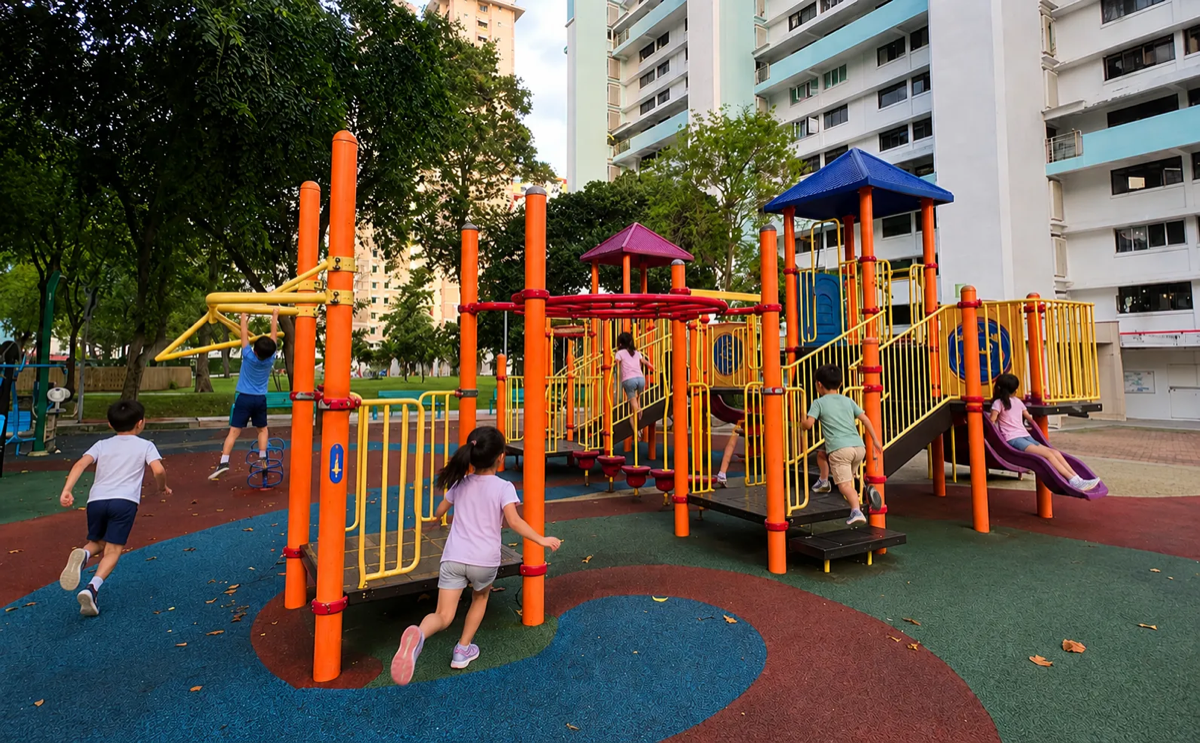
Aug 10, 2026
Things To Do With Kids In Bedok: 18 Parks, Playgrounds And Pools Worth The Trip
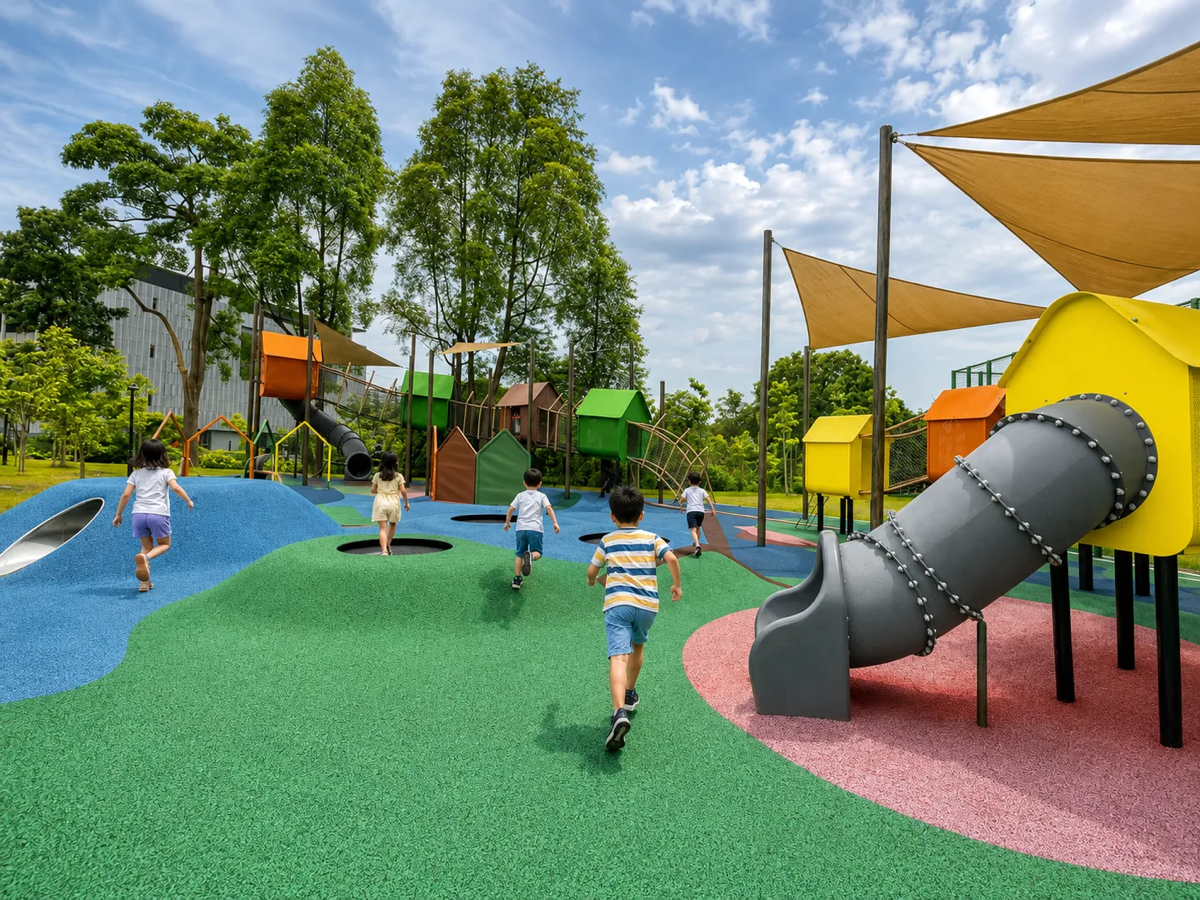
Jul 31, 2026
18 Best Things To Do With Kids In Yishun: Playgrounds, Parks, Indoor Play And Family Fun In Singapore's North
Jul 30, 2026
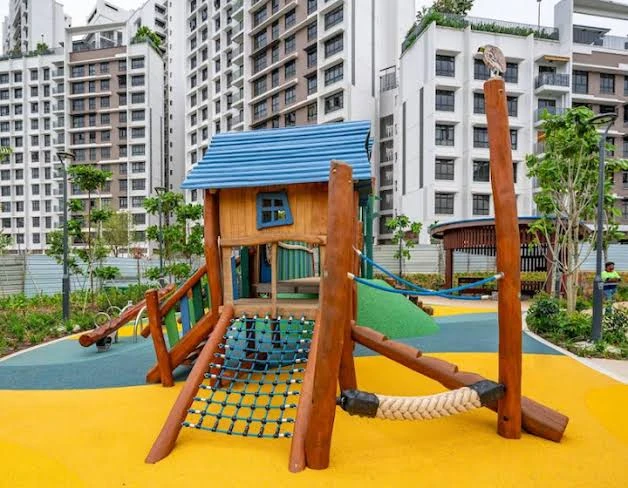
Things to Do With Kids in Punggol, Singapore (2026): The Complete Guide

Jul 28, 2026
Beyond Sassy Mama: Things to Do With Kids in Jurong West, Singapore (2026)
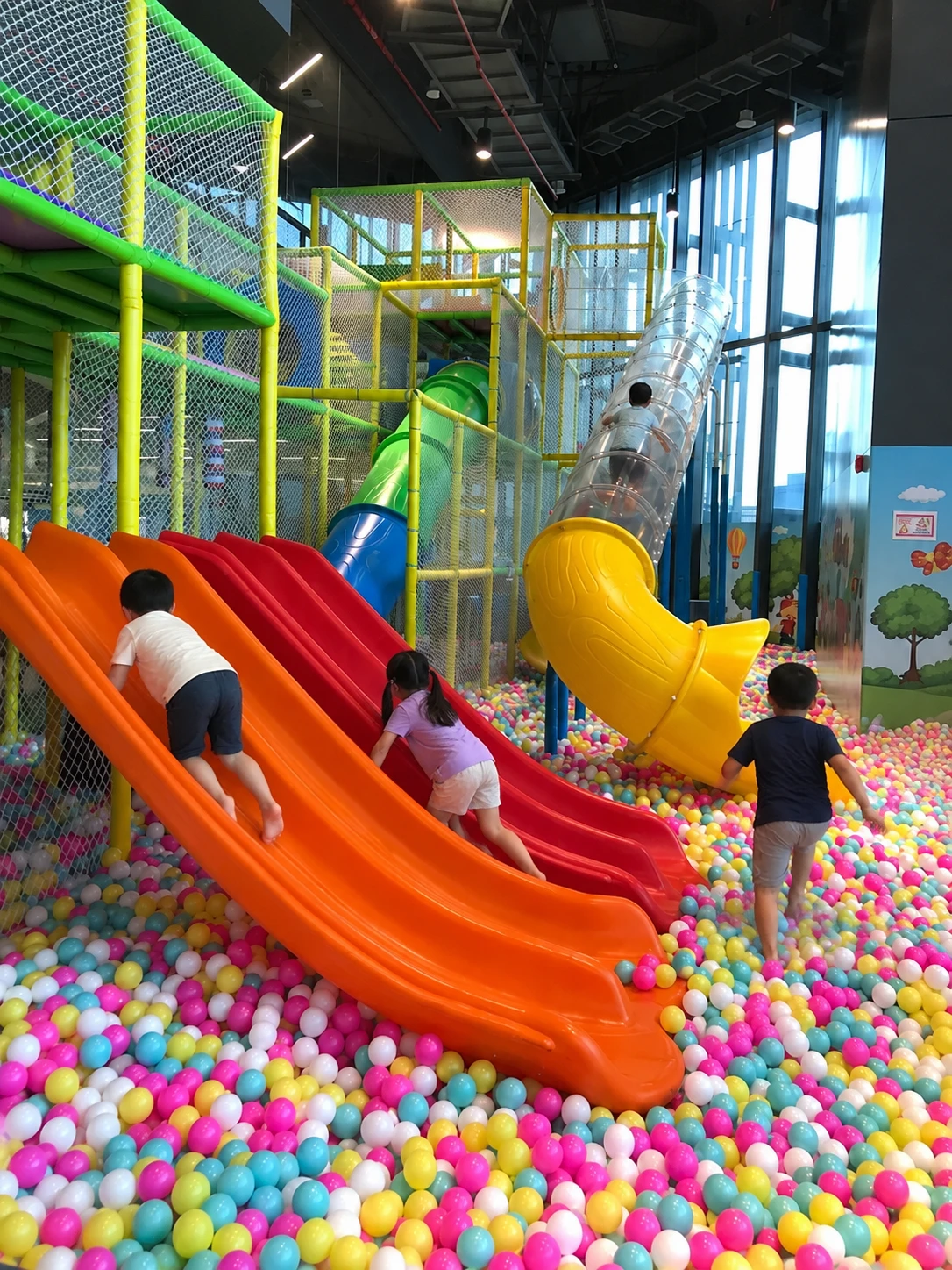
Jul 16, 2026
Things to Do With Kids in Tampines, Singapore (2026)

Jul 15, 2026
Best Chess and Mind Sport Classes for Kids in Singapore (2026)

Jul 13, 2026
New Things to Do With Kids in Singapore in 2026 That Most Parents Have Not Tried Yet
Jul 8, 2026
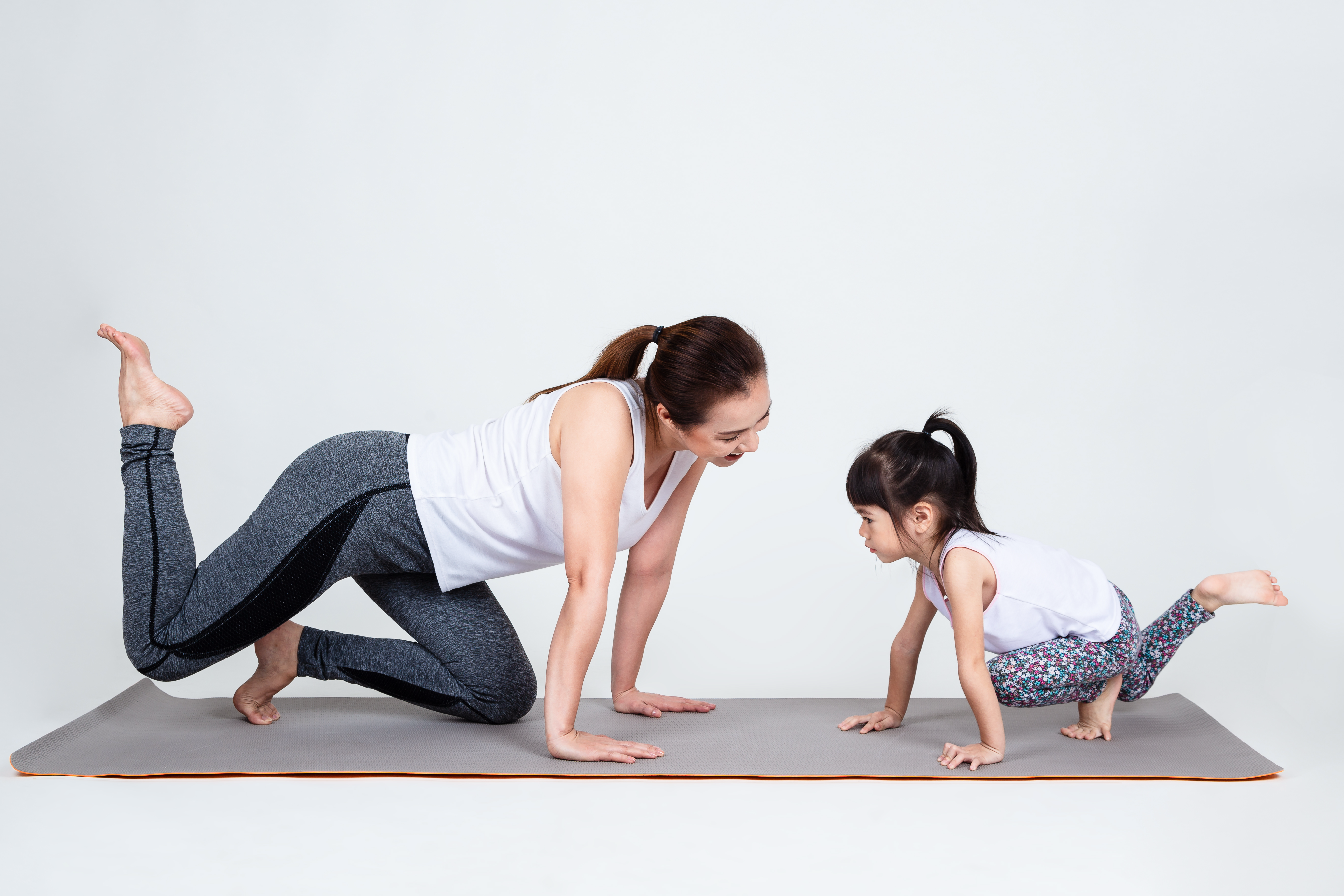
Best Gymnastics Classes for Kids in Singapore (2026)

Jul 7, 2026
The Best Birthday Party Venues for Kids in Singapore (2026)

Jun 29, 2026
What to Do With Kids in Singapore in July 2026

Jun 25, 2026
Best Baby Sensory Classes in Singapore (2026)
.png)
Jun 22, 2026
Free Things to Do With Kids in Singapore During the June Holidays (2026)

Jun 17, 2026
Holiday Camps in Singapore Under $500: A Complete Guide (2026)

Jun 15, 2026
Week 3 of the June School Holidays in Singapore: A Reset Plan

Jun 8, 2026
What Kids Actually Learn at Holiday Camps (That Parents Do Not Expect)

Jun 2, 2026
Free and Low-Cost Things to Do These June Holidays in Singapore (2026)
Jun 2, 2026
June School Holidays 2026: Week 1 Planner & What's Closing Soon

Jun 2, 2026
June Holidays Singapore 2026: The Week-by-Week Planner

May 26, 2026
Last-Minute June Holiday Camps Singapore 2026

May 22, 2026
Public Speaking and Drama Classes for Kids in Singapore: 2026 Guide

May 21, 2026
What to Pack for Your Child’s First Holiday Camp in Singapore

May 14, 2026
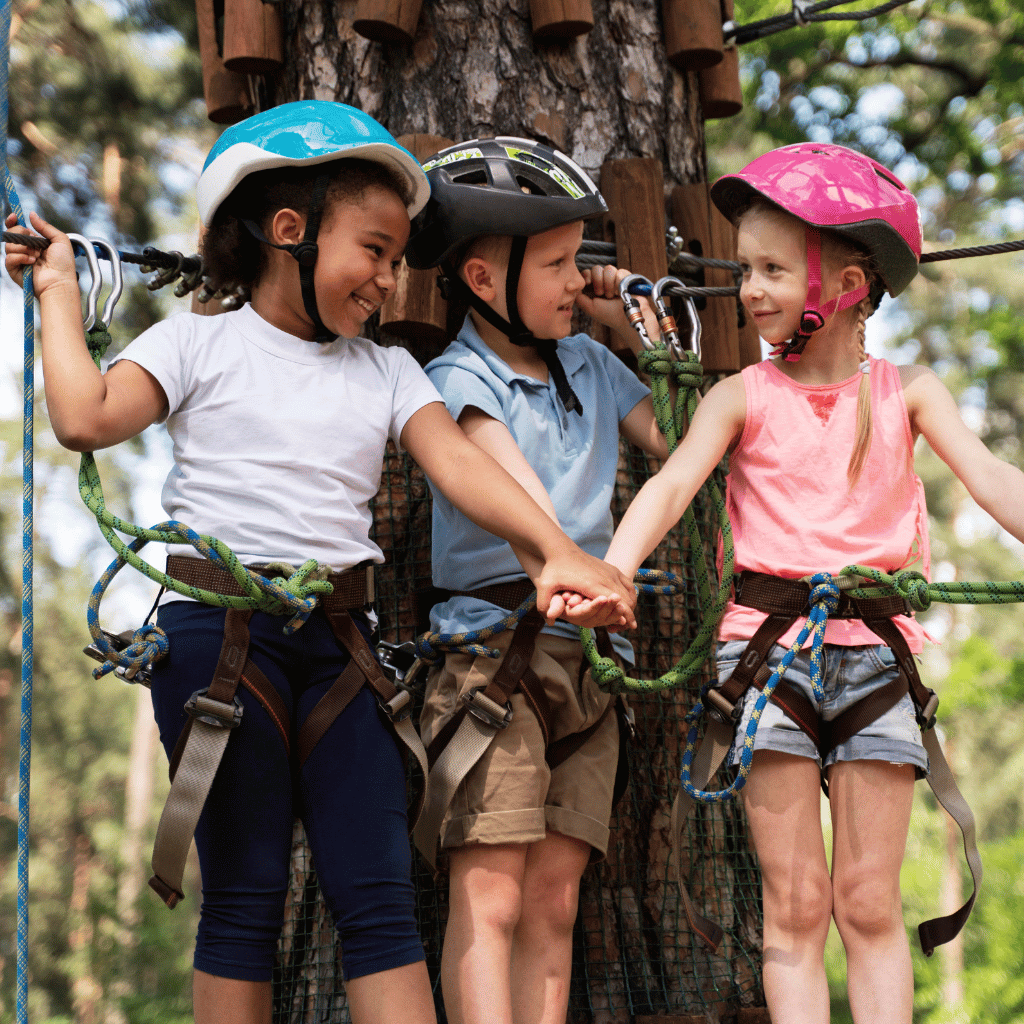
A Guide to Outdoor and Nature Camps for Kids in Singapore

May 14, 2026
A Parent's Guide to Dance Enrichment in Singapore

May 7, 2026
A Parent's Guide to Mother's Day Activities in Singapore

May 5, 2026
A Guide to Children's Language Enrichment in Singapore

May 4, 2026
June School Holidays 2026 Singapore: Holiday Camp Guide

Apr 28, 2026
Cooking and Baking Classes for Kids in Singapore

Apr 27, 2026
A Parent's Guide to Sports Enrichment in Singapore (2026)

Apr 22, 2026
How to Choose the Right Enrichment Class for Your Child

Apr 16, 2026
From Toddler Sensory Play to Fine Art Mastery

Apr 15, 2026
Singapore Music Lessons: A Parent's Guide
Apr 9, 2026
Singapore Kids Swimming Lessons: A 2026 Parent Guide

Apr 8, 2026
The Best Kids Holiday Camps in Singapore (2026 Guide)

Mar 26, 2026
2026 Singapore School Holidays: Complete Calendar for MOE & International Schools

Nov 14, 2025
Best Martial Arts Classes for Kids in Singapore: Taekwondo, Jiu-Jitsu & More

Nov 7, 2025
STEM, Coding & Robotics: The Best Tech & Science Programs for Kids in Singapore

Oct 31, 2025
Top Gyms and Movement Classes in Singapore for Babies, Toddlers, and Young Kids

Oct 24, 2025
Act, Sing, Dance at Top Performing Arts Programs for Children in Singapore

Oct 17, 2025
Where Kids Can Move & Groove: Best Dance Classes for Kids in Singapore

Oct 10, 2025
Learn Beyond the Classroom: Hard Skills, Soft Skills, Fun Skills and More For Kids

Oct 3, 2025
Indoor & Outdoor Fun For Kids in Singapore

Sep 26, 2025
Fun & Free Kid Friendly Activities in Singapore

Sep 22, 2025
Nature Activities & Experiences for Kids in Singapore

Sep 19, 2025
Best Indoor Playgrounds & Classes for Kids in Singapore

Sep 12, 2025
Best Arts & Crafts Classes for Kids in Singapore

Sep 10, 2025
Halloween Swimming Camp Singapore: Spooktacular SWISH Camp at Dempsey Hill (Ages 4-14)

Sep 9, 2025
Singapore School Holiday Camps: Water Trekkers & Mighty Troopers Adventures at NTUC Outdoor School

Sep 3, 2025
Active Learning Holiday Camp: Boxing + Multi-Activity STEAM Fun in Singapore

Aug 25, 2025
Upcoming School Holiday Camps in Singapore for Kids (Sept & Oct)
Aug 13, 2025
5 Hidden Gems in Singapore for Kids’ Activities
Aug 11, 2025
Top Indoor Activities in Singapore for Rainy Days

Aug 4, 2025
SG60 Promotions: Family-Friendly Activities at Special Prices

Jul 17, 2025
Dive In: The Best 3 Swim Camps in Singapore This Season

Jul 13, 2025
Budget-Friendly Summer Camps in Singapore: Fun Without Breaking the Bank

Jul 7, 2025
Creative Arts Summer Camps in Singapore for Budding Artists and Performers
Jul 3, 2025
Sports and Adventure Summer Camps in Singapore to Keep Your Kids Active

Jul 1, 2025
A Look Back at Jungle’s Launch Promos

Jun 30, 2025
STEM Summer Camps in Singapore for Tech-Savvy Kids
Jun 26, 2025
Summer Camps in Singapore by Location: Finding a Camp Near You
Jun 19, 2025
Last-Minute Summer Camp Options in Singapore for Busy Parents

Jun 12, 2025
How to Choose the Best Summer Camp in Singapore for Your Child
The Friday edit.
Weekend picks, holiday camps with remaining spots, and the odd story from parents we talk to.